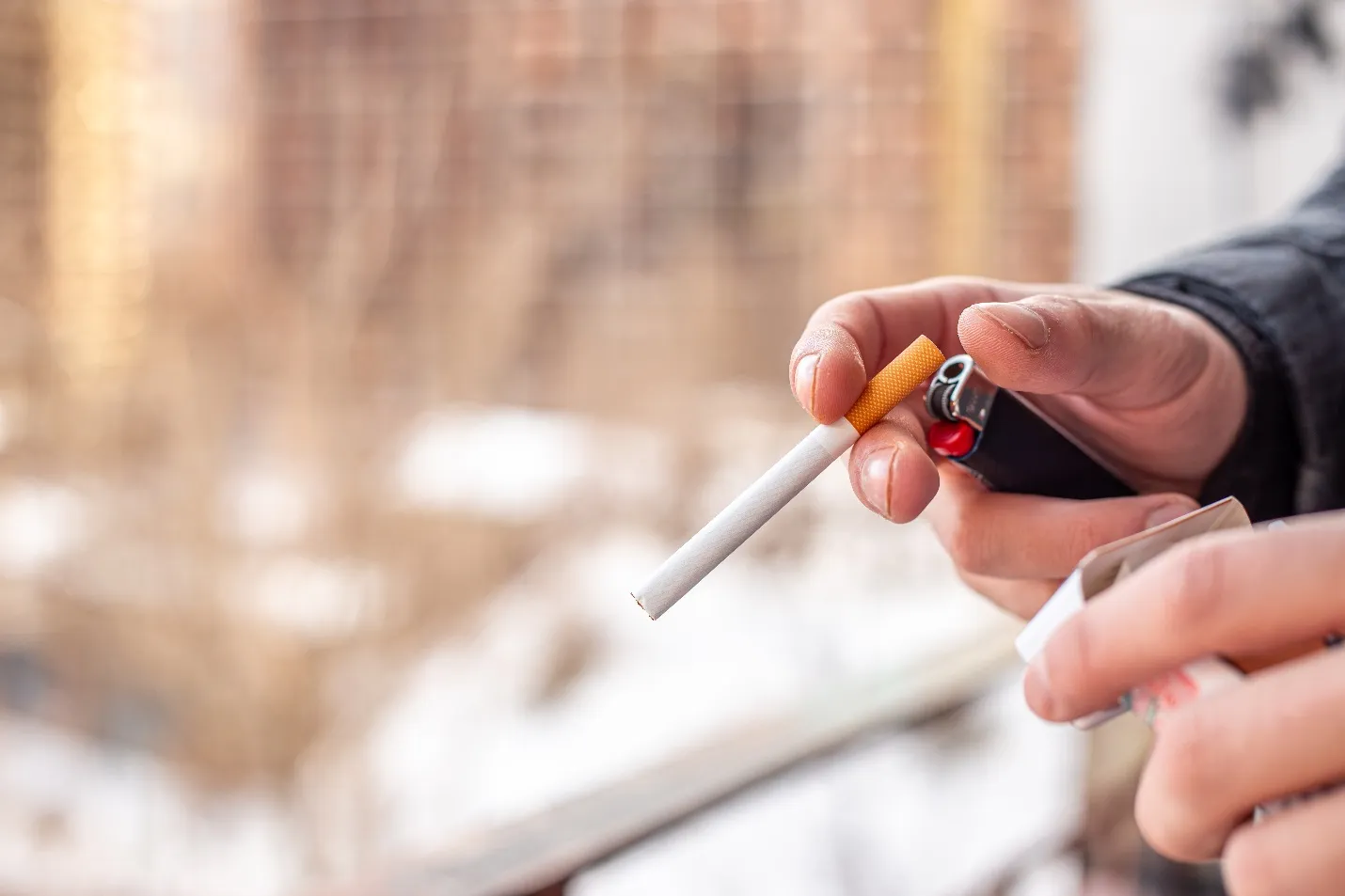
Daily smoking costs Canadians $4,000+ a year. Here is the honest math on your habit and the practical ways to cut the bill without quitting cold turkey.
If you are a daily smoker in Canada, you are spending roughly $4,000 to $6,000 every single year on cigarettes — and for many households that is the second or third largest discretionary expense on the books. Most smokers have a vague sense it is expensive, but the full 10-year figure tends to land like a punch: $40,000 to $60,000 gone in smoke. One of the practical ways Canadians who keep smoking in the short term choose to save money on cigarettes is switching from gas-station retail to factory-direct native (First Nations) cartons, which typically cost under $30 versus $130 and up at a convenience store. That is the math this article is going to walk through clearly and honestly.
Why Canadian Cigarettes Cost So Much
The short answer is tax. The sticker price at a gas station is not mostly tobacco — it is mostly government revenue stacked in layers.
Federal excise duty applies per cigarette, and provincial governments add their own layers on top of that. Together those taxes account for roughly 60 to 75 percent of the retail price in most provinces, according to Canada Revenue Agency data on taxes and Indigenous peoples. Add the retailer markup and the distributor cut, and a carton that left the factory worth a few dollars costs you $130 by the time it reaches the counter.
The two main cost drivers are:
- Multi-layer taxation — federal excise plus provincial tobacco tax, applied per cigarette before any markup
- Distribution and retail margin — the product passes through importers, distributors, and retailers, each adding margin
Factory-direct native cigarettes sidestep the second driver (no distributor or retailer in the chain) and operate under a distinct First Nations tax framework that affects the first driver as well. The legal basis is the same framework covered by the Canada Revenue Agency. That is why the price gap is real, not a sale or a coupon.
The Annual Math: What Your Habit Actually Costs
Let us run the numbers at a few common consumption levels.
| Daily cigarettes | Packs per month (retail, 20/pack) | Monthly spend (retail ~$17/pack) | Annual spend |
|---|---|---|---|
| 10 (half a pack) | 15 | ~$255 | ~$3,060 |
| 20 (one pack) | 30 | ~$510 | ~$6,120 |
| 30 (pack and a half) | 45 | ~$765 | ~$9,180 |
Now compare buying factory-direct native cartons. A native carton typically contains 200 cigarettes (10 packs of 20, or 8 packs of 25) for under $30.
| Daily cigarettes | Cartons per month (native, ~$28) | Monthly spend | Annual spend | Annual saving vs retail |
|---|---|---|---|---|
| 10 | ~1.5 | ~$42 | ~$504 | ~$2,556 |
| 20 | ~3 | ~$84 | ~$1,008 | ~$5,112 |
| 30 | ~4.5 | ~$126 | ~$1,512 | ~$7,668 |
These are illustrative figures — actual prices vary — but the order of magnitude is consistent. A pack-a-day smoker who switches sourcing can realistically pocket $4,000 to $5,000 a year without changing their consumption at all.
Other Practical Ways to Cut the Cigarette Bill
Beyond sourcing, there are several habits that bring costs down:
- Buy by the carton, not the pack. Even at retail, carton pricing is meaningfully lower per cigarette than buying loose packs. The convenience-store single-pack premium is steep.
- Avoid airport and tourist-area retailers. Prices in high-traffic zones can run 20 to 30 percent above ordinary retail for the same product.
- Track your consumption honestly. Most smokers undercount. A week-long tally often reveals they smoke more than they thought, which means the annual cost is also higher than they assumed.
- Use a budget line item. Treating tobacco as a named expense — not just “miscellaneous” — makes the real number visible and creates natural pressure to manage it.
- Consider a gradual reduction plan. Even cutting five cigarettes a day saves around $500 to $900 a year at retail prices, and the health benefits compound quickly according to Health Canada’s smoking and tobacco resources.
What Factory-Direct Native Cigarettes Are (and Are Not)
Because the price difference is so dramatic, it is worth being clear about what is going on.
What they are: Cigarettes manufactured on First Nations reserves within Canada, sold through the First Nations commercial system. They are legal. The Canada Revenue Agency’s framework for Indigenous commerce underpins the tax treatment. Factory-direct means there is no wholesale or retail middleman between the manufacturer and the buyer, which removes one entire layer of markup.
What they are not: They are not counterfeit, smuggled, or black-market goods. They are not a healthier or safer cigarette. The difference is price, not product safety. A cigarette manufactured on a reserve and a cigarette manufactured off a reserve carry the same health risks.
This distinction matters because some smokers assume “cheaper” means inferior or illicit. It does not. It means the supply chain is shorter and the tax treatment is different — both of which reduce cost.
FAQ
Is it legal to buy native cigarettes in Canada?
Yes. Cigarettes produced and sold within the First Nations commercial system are legal in Canada. The legal framework is administered through the Canada Revenue Agency.
Are native cigarettes safer than regular cigarettes?
No. They are cheaper, not safer. Any cigarette carries the same risks documented by health authorities. The only thing that removes the risk is quitting entirely.
How much can a pack-a-day smoker realistically save per year?
Based on the tables above, switching from convenience-store retail to factory-direct native sourcing can save a pack-a-day smoker roughly $4,000 to $5,000 per year. Results vary with price and consumption.
Will I notice a quality difference?
Native cigarettes vary by brand just as retail brands do. Most daily smokers report that freshness matters more than the brand name — a fresh native cigarette from a high-turnover supplier is usually indistinguishable from retail.
What is the legal purchasing age?
Tobacco is for adults only. The legal age is 19 in most provinces and 18 in Alberta, Quebec, and Manitoba. Any legitimate retailer applies age verification.
A Quick Honest Note
No cigarette is safe. The cost calculations above are for people who have decided to keep smoking in the near term and want to manage the financial damage. Cutting the bill is not the same as cutting the risk. The Centers for Disease Control and Prevention and Health Canada are both clear that quitting tobacco is the only choice that actually eliminates the health risk — not switching brands, not reducing, not switching sourcing. If you are thinking about quitting, Health Canada’s quit-smoking resources are a good starting point. If you are going to keep smoking regardless, at least know what you are spending and where the money goes.
Tobacco is for adults only (18 or 19 depending on the province).
References
-
Canada Revenue Agency: Taxes and benefits for Indigenous peoples. https://www.canada.ca/en/revenue-agency/services/indigenous-peoples.html
- Health Canada: Smoking, vaping and tobacco. https://www.canada.ca/en/health-canada/services/smoking-tobacco.html
- Centers for Disease Control and Prevention: Smoking and Tobacco Use. https://www.cdc.gov/tobacco/